

Back-to-School Reset: What to Do If the First Weeks Didn't Go as Planned
The first day of school often comes with high expectations. Parents hope their child will walk confidently into the classroom, make new friends, enjoy their teacher, and settle into a routine without much difficulty. While that certainly happens for some children, many families find that the first few weeks of school are more challenging than they expected.
Maybe your child suddenly doesn't want to get out of the car at drop-off. Perhaps they're coming home exhausted and emotional, or you're hearing daily complaints about school. You may even be wondering if this school year is already headed in the wrong direction.
The good news is that a difficult start doesn't mean your child is going to have a difficult year. The beginning of the school year is a major transition, and many children need time to adjust. For parents in Katy, Texas, where students are settling into new teachers, classmates, and routines, it's important to remember that there is still plenty of time to reset.
A Rough Start Doesn't Mean a Bad School Year
Children experience change differently. While some adapt quickly, others need several weeks before they begin to feel comfortable in their new environment. Even children who have always loved school can struggle with the transition into a new grade.
It's also common for children to hold their emotions together during the school day and release them once they get home. Increased irritability, emotional outbursts, clinginess, or fatigue are often signs that your child is working hard to adjust—not necessarily signs that something is wrong.
As parents, it's easy to feel discouraged when school doesn't begin the way you hoped. However, try not to view the first few weeks as a prediction of the rest of the year. Instead, think of this time as an adjustment period. Your calm, steady response helps communicate that challenges are temporary and that problems can be worked through together.
Rather than asking, "Why is this happening?" consider asking, "What might my child need right now?" That simple shift can help you respond with curiosity instead of frustration.

Understand What's Behind Your Child's Struggles
When children begin resisting school or expressing frustration, the behavior is often communicating something they don't yet have the words to explain.
Some children are feeling anxious about separating from their parents. Others may be overwhelmed by a more demanding academic workload or unfamiliar classroom expectations. Friendship changes, sensory overload, new schedules, or simply feeling tired after returning to structured days can also contribute to a difficult start.
Instead of trying to solve the problem immediately, spend time learning more about your child's experience. Ask open-ended questions such as:
"What has been the best part of your day?"
"When does school feel the hardest?"
"Is there anything you wish could be different?"
These conversations often reveal valuable information that can guide your next steps.
If concerns continue, don't hesitate to reach out to your child's teacher. Teachers can often provide helpful insight into how your child is doing throughout the school day and whether the struggles you're seeing at home are also happening in the classroom.
Simple Ways to Help Your Child Reset and Start Fresh
A reset doesn't require a complete overhaul. Small, consistent changes often make the biggest difference.
Start by creating predictable routines at home. Consistent bedtimes, organized mornings, and time to decompress after school help children feel more secure during periods of transition.
Next, focus on one achievable goal instead of trying to fix everything at once. Maybe your child works on walking into school independently, introducing themselves to one new classmate, or using a coping strategy when they begin feeling overwhelmed. Celebrating small successes builds confidence and reminds children that progress happens one step at a time.
Finally, continue checking in without making every conversation about school. Children often open up naturally while playing, taking a walk, or riding in the car. These relaxed moments can provide opportunities for meaningful conversations without added pressure.
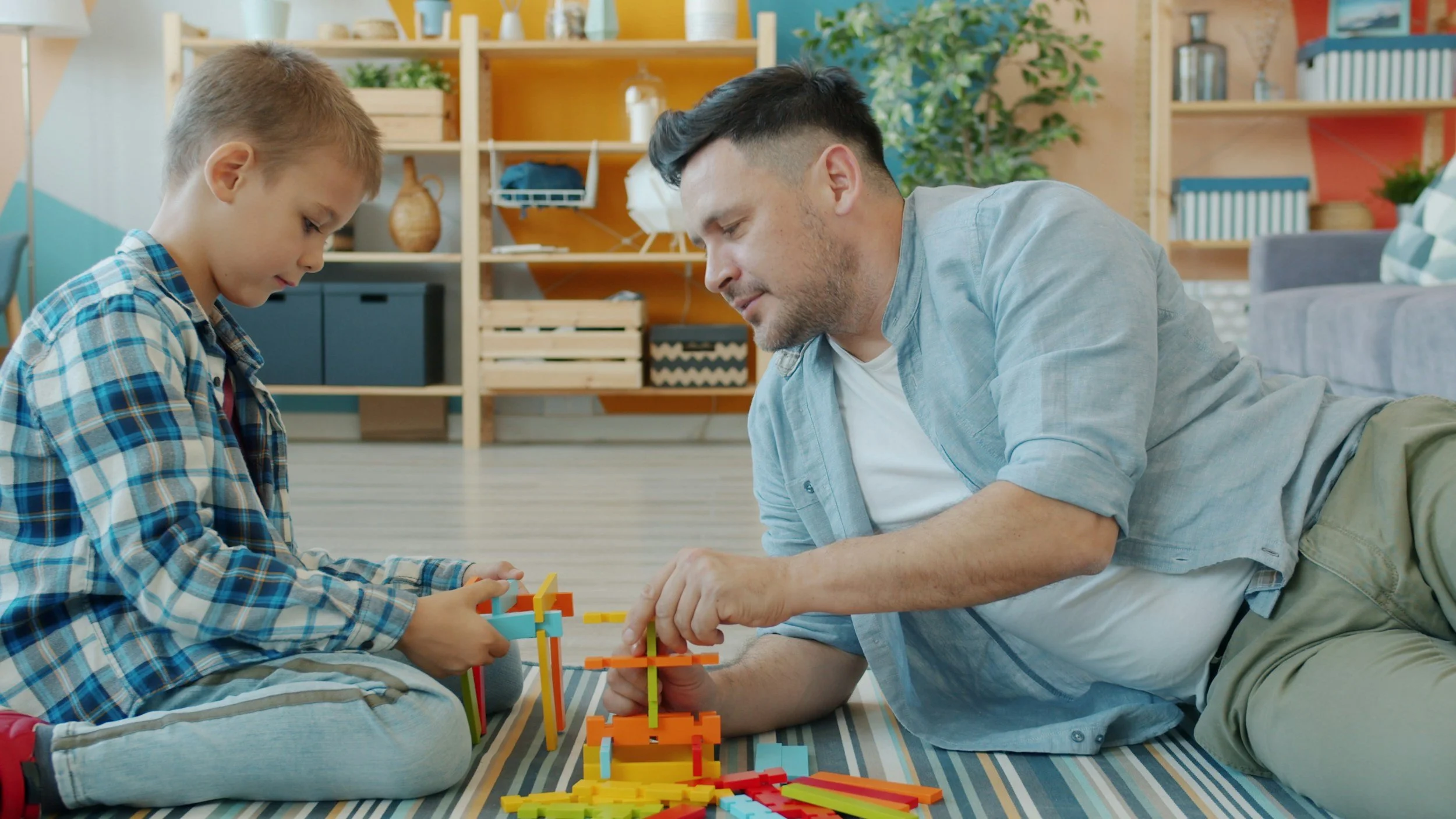
If your child's anxiety, emotional distress, or school refusal continues for several weeks or begins interfering with daily life, additional support may be helpful. Working with a child therapist can help children develop healthy coping skills, improve emotional regulation, and build confidence as they adjust to the school year.
Every school year has its ups and downs, and a rocky beginning does not define what comes next. With patience, support, and a willingness to make small adjustments along the way, many children gain confidence and begin thriving long after the first few weeks have passed. Sometimes, all they need is the opportunity to pause, reset, and discover that every day offers a chance for a fresh start.
Next Steps:
If you or a family member would like to discuss this topic further, have questions, or would like to start counseling this summer, please reach out to us at AP Counseling group here in Katy, Texas!
At AP Counseling Group, we offer a variety of services to support individuals and families. Our child counseling and play therapy provides a safe space for kids to process emotions and build healthy coping skills. We also offer teen counseling to help adolescents navigate challenges and strengthen their relationships, and adult counseling tailored to help adults manage life pressures. Whatever stage you're in, we’re here to support you with guidance rooted in faith and practical tools.