

Helping Kids Overcome Back-to-School Anxiety and Self-Doubt
The first few weeks of school can bring a mix of excitement, new experiences, and big feelings. For some children, the transition into a new school year goes smoothly. For others, the nerves that started before the first day may still be hanging around.
Here in Katy, TX, families are settling into new routines, adjusting to homework, meeting teachers, navigating friendships, and figuring out what this school year will look like. It is not unusual for children to still feel anxious or unsure of themselves as they settle in.
The good news? A little anxiety does not mean your child is struggling or that something is wrong. It can be an opportunity to help your child build confidence, learn coping skills, and discover that they are capable of handling hard things.
Understand What’s Behind Your Child’s Back-to-School Anxiety
Children do not always have the words to say, “I am feeling anxious about school.” Instead, anxiety may show up through behavior. You might notice more irritability, clinginess, trouble sleeping, difficulty concentrating, stomachaches, or a sudden reluctance to go to school.
Self-doubt can look similar. A child may say, “I’m not good at math,” “Nobody likes me,” or “I’m going to mess up.” Sometimes these worries are connected to a difficult experience from the previous school year. Other times, they simply come from facing something new.

Instead of immediately trying to talk your child out of their worries, start by getting curious. Ask, “What part of school feels hardest right now?” or “What is one thing you wish was easier?”
You may learn more than you expect.
Help Your Child Build Confidence
When children feel anxious, our instinct as parents can be to reassure them with, “You’re going to be fine!” While encouragement is helpful, children also need opportunities to experience their own capability.
Look for small moments to point out what your child is already doing well. Maybe they walked into school even though they were nervous. Maybe they asked the teacher for help. Maybe they made a new friend or tried an assignment they thought would be difficult.
Be specific with your praise: “You were nervous, but you still tried,” or “That was hard, and you figured out what to do.”
This shifts the focus away from being perfect and toward being capable. The goal is not to eliminate every uncomfortable feeling. It is to help your child learn, “I can feel nervous and still do hard things.”

Teach Coping Skills for Big Feelings
Children benefit from having a few simple tools they can use when anxiety shows up at school. Deep breathing, positive self-talk, grounding exercises, and knowing how to ask a trusted adult for help can all give children a greater sense of control.
Practice these skills when your child is calm rather than waiting for a difficult moment. You might practice taking three slow breaths together before homework or create a simple phrase your child can repeat when they feel overwhelmed: “I can try one step at a time.”
Consistent routines can also help children feel more secure. Predictable mornings, homework expectations, meals, and bedtime routines give children a clearer sense of what to expect.
And remember that connection matters, too. Even a few minutes of uninterrupted one-on-one time can give your child space to share what is happening beneath the surface.
Know When Your Child May Need Extra Support
Some back-to-school anxiety is completely normal. But if anxiety continues or begins interfering with your child's ability to sleep, attend school, participate in activities, maintain friendships, or function at home, it may be time to look for additional support.
This is where play therapy can be especially helpful for younger children. Children do not always know how to explain their worries through conversation. Play gives them another way to communicate, process emotions, practice new skills, and work through experiences that feel overwhelming.
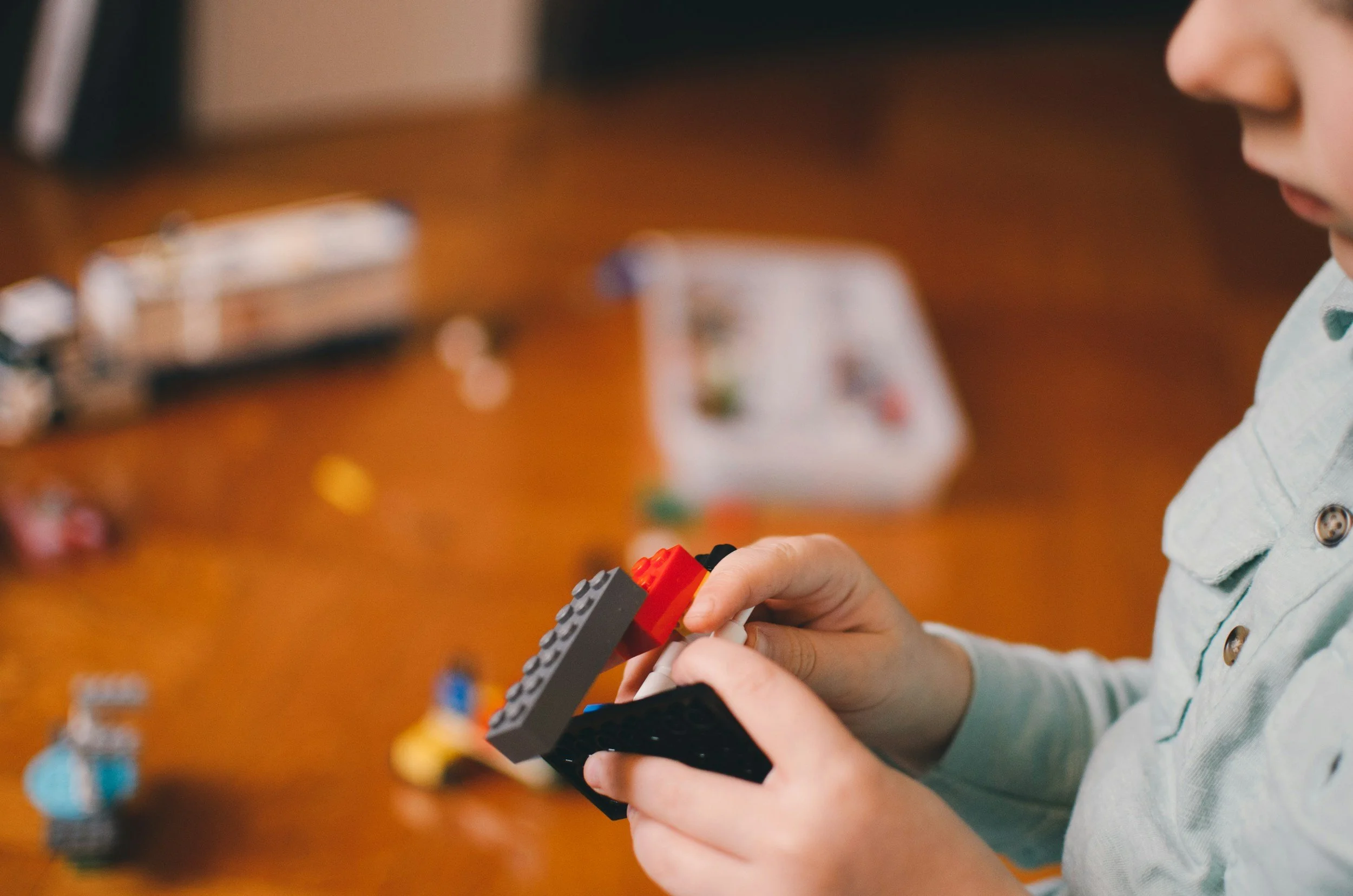
For parents in Katy, TX, seeking play therapy does not mean your child is failing to adjust. It can simply mean you are giving them another safe place to understand their feelings and build confidence.
The beginning of a school year is full of opportunities for growth. Your child does not need to feel confident every day to have a successful year. Sometimes confidence comes after they take the brave step, experience the challenge, and realize they can handle it.
And that is a pretty powerful lesson to carry with them—not just through this school year, but far beyond it.
Next Steps:
If you or a family member would like to discuss this topic further, have questions, or would like to start counseling this summer, please reach out to us at AP Counseling group here in Katy, Texas!
At AP Counseling Group, we offer a variety of services to support individuals and families. Our child counseling and play therapy provides a safe space for kids to process emotions and build healthy coping skills. We also offer teen counseling to help adolescents navigate challenges and strengthen their relationships, and adult counseling tailored to help adults manage life pressures. Whatever stage you're in, we’re here to support you with guidance rooted in faith and practical tools.