

Helping Your Child Carry Play Therapy Success Into the School Year
As the back-to-school season arrives in Katy, Texas, many parents are preparing for more than just shopping for school supplies and adjusting bedtime routines. If your child has been participating in play therapy over the summer, you may also be wondering, Will everything they've learned carry over into the classroom?
The good news is that emotional growth doesn't disappear when summer ends. While a new school year brings changes that can temporarily challenge even the most confident child, the coping skills and emotional awareness they've developed in play therapy remain valuable tools. With a little support at home and open communication with school staff, your child can continue building on the progress they've already made.
Signs Your Child Is Making Emotional Progress
One of the biggest misconceptions about therapy is that success means a child never has another emotional outburst or difficult day. In reality, emotional growth is often much more subtle.
As your child prepares for school, you may notice encouraging signs such as:
They recover from frustration more quickly.
They can identify or name their feelings more often.
They ask for help instead of immediately shutting down.
They are beginning to solve small problems independently.
They use calming strategies without being reminded.
They show increased confidence when trying something new.

These changes may not happen all at once, but together they demonstrate that your child is learning to manage emotions in healthier ways. Even if challenges still arise, remember that progress is measured by how children respond—not by whether they experience difficult emotions at all.
Reinforce Coping Skills at Home
One of the best ways to help your child maintain the progress they've made is by practicing the same coping skills outside of therapy.
Simple daily habits can make a significant difference. Encourage your child to talk about their feelings using emotion words, practice deep breathing before stressful situations, or create a calming corner where they can reset after a long school day.
Instead of solving every problem for your child, try coaching them through it with questions like:
"What do you think would help right now?"
"What has worked before when you felt this way?"
"Would you like to take a calming break together?"
These conversations help children remember that they already have tools they can use when emotions feel overwhelming.
Consistency also matters. Predictable routines for mornings, after school, homework, meals, and bedtime help children feel safe and reduce unnecessary stress during the transition back to school.
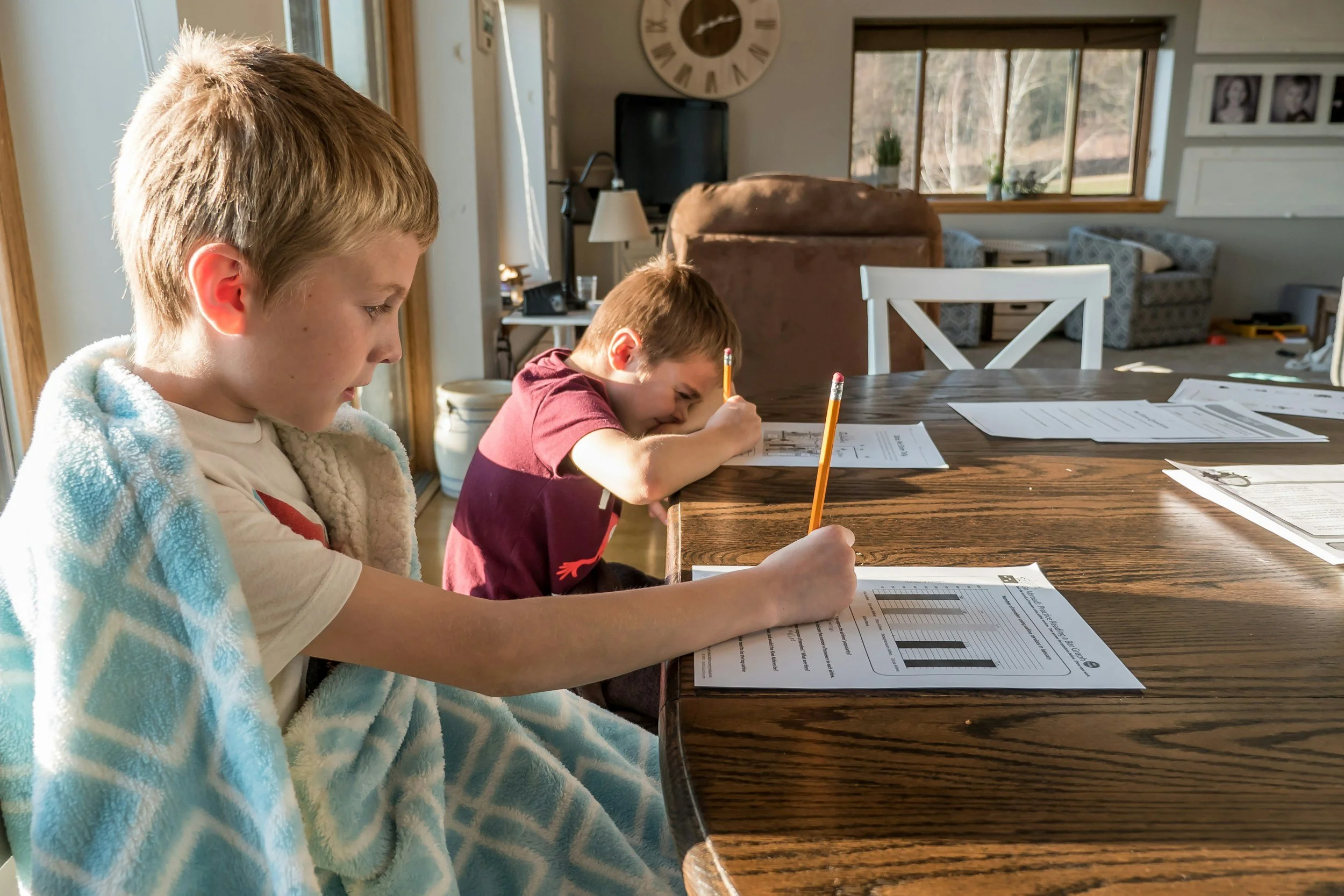
Partner With Teachers Without Oversharing
Parents sometimes wonder how much information they should share with teachers about their child's therapy.
In most cases, you don't need to provide every detail. Instead, focus on sharing information that helps your child succeed in the classroom.
You might let the teacher know that your child benefits from gentle reminders to use calming strategies, needs a little extra time when feeling overwhelmed, or responds well to positive encouragement during transitions.
This approach allows teachers to support your child's emotional needs while respecting your family's privacy.
If your child's therapist recommends specific accommodations or communication strategies, those suggestions can also be shared with school staff when appropriate.
Remember that everyone is working toward the same goal: helping your child feel safe, confident, and ready to learn.
Expect Some Ups and Downs
It can be discouraging if your child seems more emotional during the first few weeks of school after making so much progress over the summer.
Fortunately, some regression during major transitions is completely normal.
New teachers, unfamiliar classmates, changing schedules, increased expectations, and busy classrooms all require emotional energy. Your child may come home more tired, more sensitive, or more easily frustrated than they were just a few weeks earlier.
This doesn't mean therapy isn't working.
Think of emotional skills like learning to ride a bike. A child who has mastered riding on a quiet sidewalk may still feel nervous on a busy street. The skill hasn't disappeared—they simply need time and practice using it in a more challenging environment.
Continue responding with patience, empathy, and consistency. As your child adjusts to their new routine, you'll often see those coping skills reappear naturally.
Should Therapy Continue During the School Year?
Many parents wonder whether it's time to stop therapy once school begins.
The answer depends on your child's individual needs, but for many children, continuing play therapy during the school year provides valuable support during one of the biggest transitions they experience each year.
School introduces new friendships, academic pressures, extracurricular activities, and social challenges that can create opportunities to practice emotional regulation in real time. Therapy provides a safe place for children to process those experiences, celebrate successes, and work through new concerns before they become larger problems.
If your child has made significant progress, your therapist may recommend reducing the frequency of sessions rather than ending therapy altogether. This gradual approach often helps children maintain the gains they've worked so hard to achieve while continuing to build confidence throughout the school year.
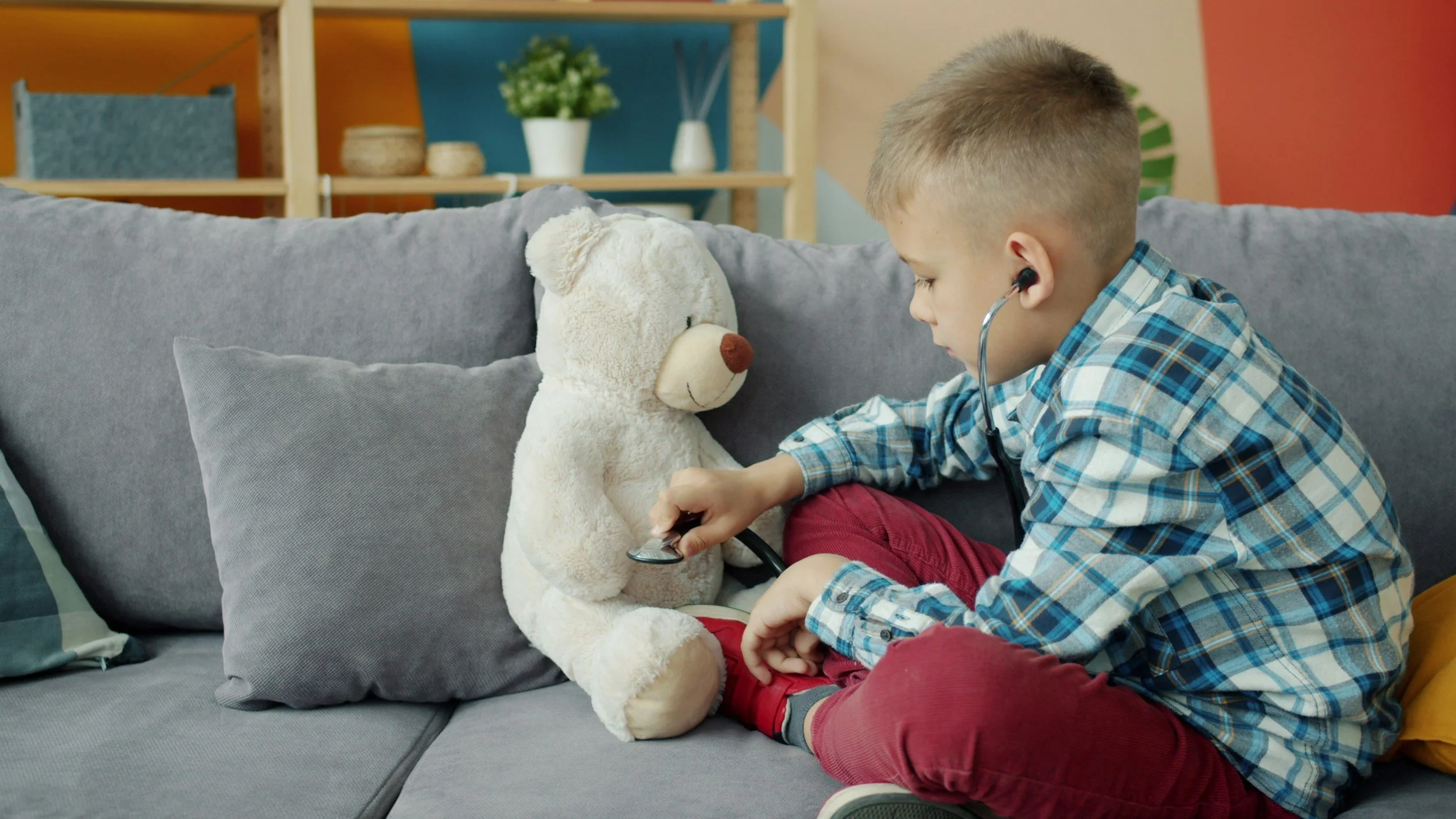
Supporting Lasting Emotional Growth
Every new school year brings opportunities for growth. While there may be a few bumps along the way, the emotional skills your child has developed in play therapy don't disappear when they walk through the classroom doors.
By reinforcing coping strategies at home, maintaining open communication with teachers, and recognizing that occasional setbacks are a normal part of development, you can help your child continue building resilience long after summer ends.
For families in Katy, Texas, back-to-school season isn't just about academic success—it's also an opportunity to nurture the emotional confidence that helps children thrive both inside and outside the classroom.
Next Steps:
If you or a family member would like to discuss this topic further, have questions, or would like to start counseling this summer, please reach out to us at AP Counseling group here in Katy, Texas!
At AP Counseling Group, we offer a variety of services to support individuals and families. Our child counseling and play therapy provides a safe space for kids to process emotions and build healthy coping skills. We also offer teen counseling to help adolescents navigate challenges and strengthen their relationships, and adult counseling tailored to help adults manage life pressures. Whatever stage you're in, we’re here to support you with guidance rooted in faith and practical tools.