

Inside the Playroom: What Really Happens in Play Therapy
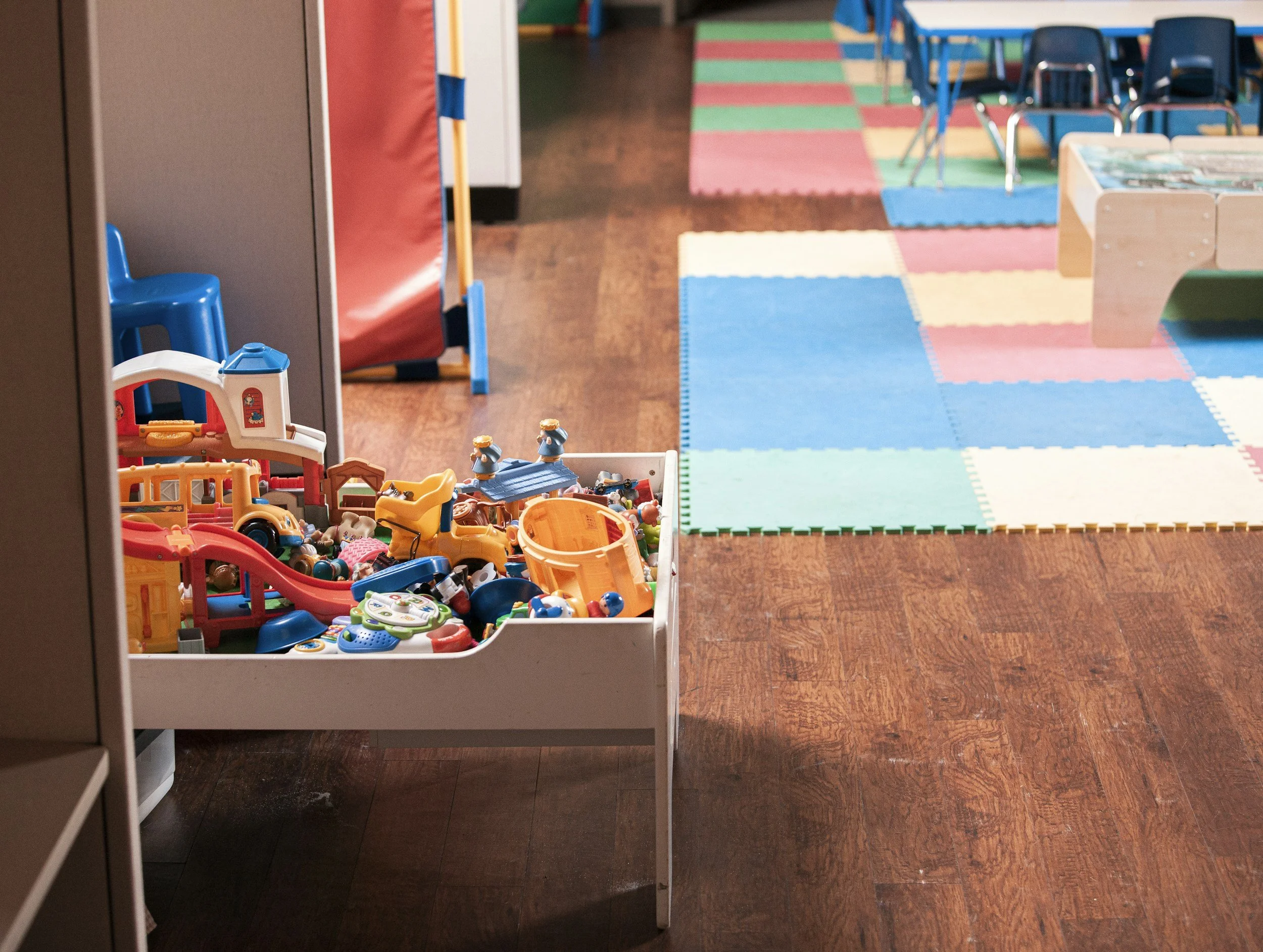
If you’ve ever wondered what actually happens during play therapy, you’re not alone. Many parents walk past a playroom filled with toys—dolls, puppets, sand trays, and art supplies—and think, “How does this help my child?”
The truth is, play therapy is far more than just playtime. It is a structured, evidence-based approach designed to help children process emotions, build coping skills, and improve behavior—all through their natural language: play.
What Is Play Therapy?
Play therapy is a specialized form of child therapy that uses play to help children express thoughts and feelings they may not yet have the words to explain. Because children are still developing emotionally and verbally, traditional talk therapy often isn’t effective on its own.
Instead, play therapy creates a safe environment where children can communicate through toys, storytelling, and imagination. A trained play therapist observes patterns, reflects emotions, and supports the child in working through challenges.
Why Play Therapy Works for Children
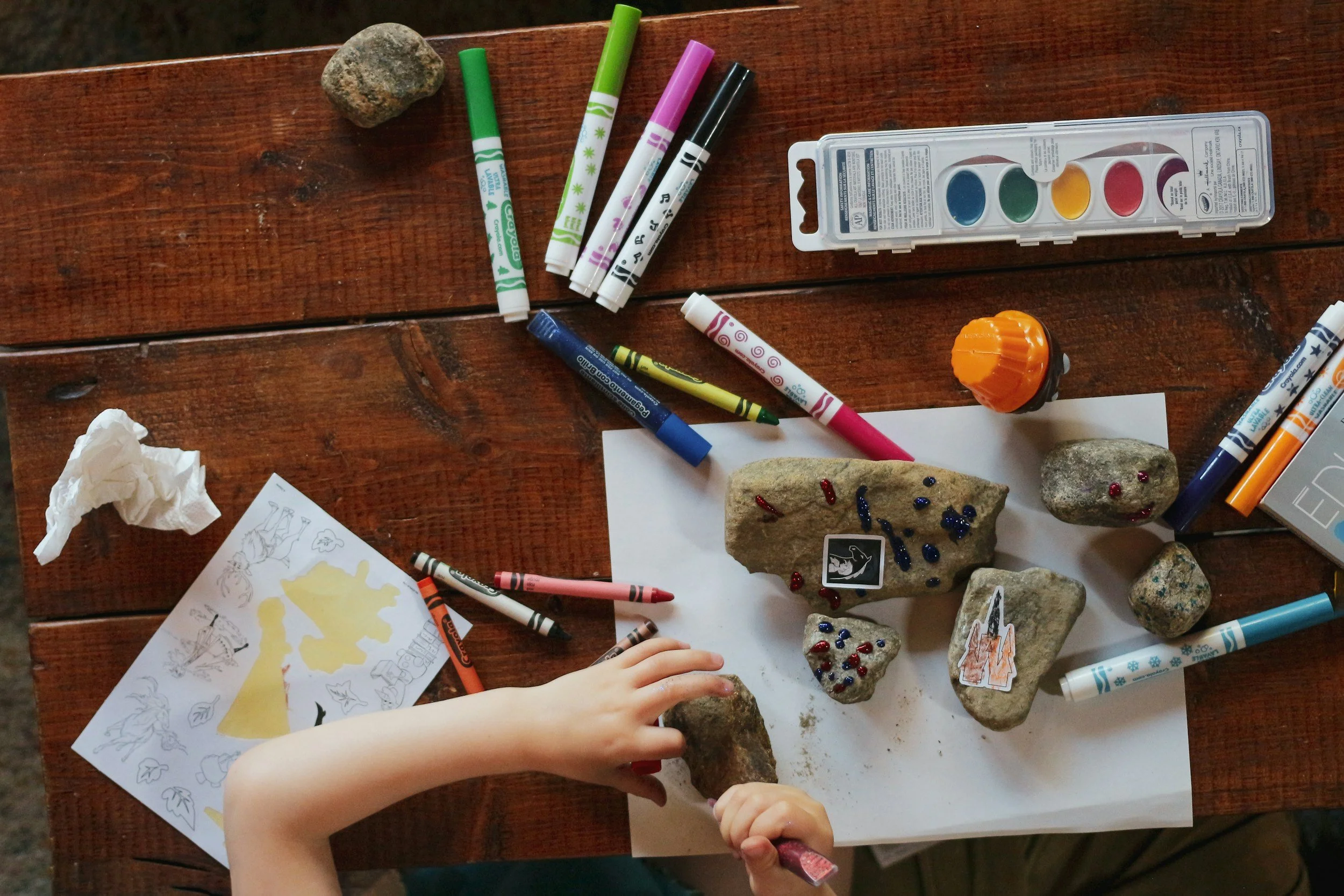
Children naturally use play to make sense of their world. Whether they’re acting out a story with figurines or drawing a picture, they are expressing internal experiences in a way that feels safe and manageable.
Play therapy works because it:
Meets children at their developmental level
Reduces pressure to “talk about feelings”
Encourages emotional expression through play
Builds trust and connection with a therapist
For example, a child experiencing anxiety may repeatedly create scenes of danger and rescue. This is not random—it’s a way of processing fear and regaining a sense of control.
What Happens in a Play Therapy Session?
A typical play therapy session may look unstructured, but it is intentionally designed to promote emotional growth.
At the start of the session, the child is invited into the playroom and given the freedom to choose activities. This might include:
Playing in the sand tray
Engaging with dolls or action figures
Drawing or painting
Role-playing with puppets
The therapist does not direct the play. Instead, they follow the child’s lead while providing supportive reflections like:
“You’re making sure everyone stays safe.”
“That felt really frustrating.”
These responses help children build emotional awareness and feel understood.
Repetition is also common in play therapy. A child may return to the same game or storyline week after week. This repetition signals that the child is working through something important and gradually building mastery.
The Role of the Play Therapist
A play therapist is trained to understand the meaning behind a child’s play. They are not just observing—they are actively engaging in a therapeutic relationship that supports healing.
Key roles of the therapist include:
Creating a safe, nonjudgmental environment
Tracking and reflecting emotions
Identifying themes in play
Setting gentle, consistent boundaries
The relationship between the child and therapist is one of the most powerful parts of play therapy. Through this connection, children learn that their thoughts and feelings are accepted, which builds confidence and emotional security.
Common Play Therapy Themes
Parents often wonder what their child’s play means. While every child is different, some common themes include:
Control and power: Children may take charge in play if they feel powerless in real life
Safety and protection: Building shelters or rescuing figures can reflect a need for security
Fear and anxiety: Aggressive or chaotic play may express internal stress
Nurturing: Caring for dolls or animals can reflect attachment needs
These themes give therapists insight into what the child is experiencing internally.
What Parents Can Expect
One of the biggest questions parents ask is whether play therapy is “working.” Progress in play therapy can be subtle at first and may not always be immediately visible.
Over time, parents often notice:
Improved emotional regulation
Decreased anxiety or behavioral issues
Increased confidence
Better communication of feelings
It’s also normal for children not to share details about their sessions. The playroom is their safe space, and protecting that space is part of the therapeutic process.
Therapists typically provide parent consultations to share progress and offer strategies for support at home.
Benefits of Play Therapy for Children
Play therapy can support children facing a variety of challenges, including:
Anxiety
Behavioral concerns
Trauma or stressful life events
Social difficulties
Family transitions (divorce, new sibling, etc.)
By allowing children to process these experiences through play, therapy helps them build resilience and healthier coping skills.

Inside the Playroom: More Than Meets the Eye
What looks like simple play is actually meaningful, intentional work. Inside the playroom, children are expressing emotions, practicing new skills, and making sense of their experiences in a way that feels safe.
Play therapy gives children the opportunity to be fully themselves while developing the tools they need to navigate the world.
If you’ve been considering play therapy for your child, understanding what happens inside the playroom can help you feel more confident in the process—and in the powerful impact it can have.
Other Services We Offer in Katy & Surrounding Areas
At AP Counseling Group, we offer a variety of services to support individuals and families. Our child counseling and play therapy provides a safe space for kids to process emotions and build healthy coping skills. We also offer teen counseling to help adolescents navigate challenges and strengthen their relationships, and adult counseling tailored to help adults manage life pressures. Whatever stage you're in, we’re here to support you with guidance rooted in faith and practical tools.