

For divorced parents in Katy, summer often brings a different rhythm to family life. There may be vacations, new parenting schedules, family outings, camps, and extra time together in each home. While every family's situation looks different, one thing remains the same: summer provides meaningful opportunities to support your child's emotional well-being. With school routines temporarily on pause, summer gives parents more time to connect with their children, have meaningful conversations, and intentionally support their emotional growth.
No child experiences divorce exactly the same way. Some children seem to adjust quickly, while others need additional time and support as they navigate changes in family dynamics. Regardless of where your child is in their journey, helping them develop emotional intelligence—often referred to as EQ—can increase resilience, strengthen relationships, and give them healthy ways to manage life's challenges.
Here are five simple ways to nurture your child's emotional well-being this summer.
1. Keep Routines as Consistent as Possible
Summer naturally brings more flexibility, but children continue to benefit from predictable routines. This is especially true when they are spending time in two different homes.
While each household will have its own traditions and expectations, consistency within your home helps children know what to expect. Regular mealtimes, bedtime routines, screen time limits, and family activities all create a sense of security.
Transitions between homes can also become easier when children know what to expect. A favorite stuffed animal, a consistent goodbye routine, or a simple calendar showing where they will be throughout the week can reduce uncertainty and help children feel more confident.

Children often feel safest when the adults around them provide stability, even during seasons of change.
2. Encourage Healthy Conversations About Feelings
Children are constantly experiencing emotions, but they do not always know how to express them. Sometimes sadness comes out as irritability. Anxiety may look like clinginess or frustration. Excitement about seeing one parent can exist alongside sadness about leaving the other
Creating opportunities for open conversations helps children recognize that all emotions are welcome.
Instead of asking only, "Did you have a good day?" try asking questions like:
What made you smile today?
Was anything difficult this week?
Is there anything you've been thinking about lately?
How are you feeling about the week ahead?
When your child shares something difficult, resist the urge to immediately fix it. Simply listening, validating their feelings, and reminding them that it's okay to experience mixed emotions teaches an important lesson: feelings are not something to fear—they are something we can understand together.
3. Help Them Build Healthy Coping Skills
One of the greatest gifts parents can give their children is the confidence that they can handle difficult emotions in healthy ways.
Rather than trying to prevent disappointment, frustration, or worry, focus on teaching your child what to do when those emotions arise.
Every child is different, so help them discover coping skills that work best for them. That might include taking deep breaths, going for a walk, drawing, listening to music, reading, journaling, or simply talking with a trusted adult.
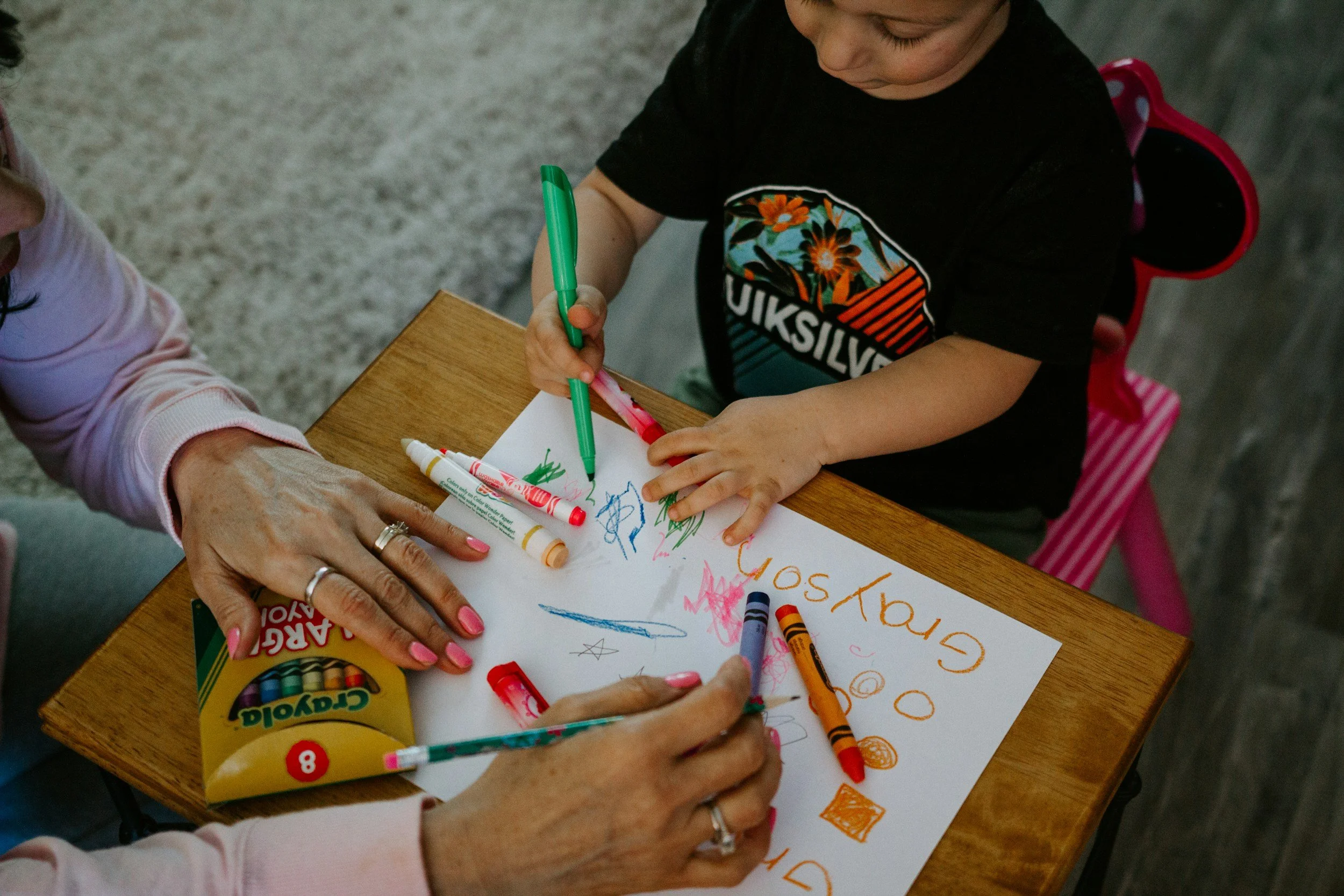
The more children practice these skills during everyday situations, the more likely they are to use them during bigger emotional moments.
Summer provides plenty of opportunities to practice coping skills in a relaxed environment, making them easier to carry into the school year and beyond.
4. Protect Them From Adult Conflict
One of the healthiest things divorced parents can do is allow their children to simply be children.
Even when co-parenting is challenging, children benefit tremendously when they are not placed in the middle of adult disagreements. Avoid asking your child to relay messages, speak negatively about your co-parent, or share information about what happens in the other home.
Children should never feel responsible for managing adult relationships or protecting a parent's feelings.
Instead, remind your child that they are loved by both parents and that they have permission to enjoy their time in each home without feeling guilty. This emotional freedom allows children to focus on growing, learning, and building healthy relationships instead of carrying burdens that were never meant to be theirs.
5. Keep Family Lines of Communication Open
Open communication helps children feel secure during a season of change. Let your child know they can talk about their experiences, emotions, and questions without worrying about hurting your feelings. Whether they are excited about something that happened at the other parent's house or struggling with a transition, they should feel safe sharing openly with you.
As a parent, practice active listening by giving your child your full attention, validating what they're feeling, and avoiding the temptation to solve every problem immediately. Sometimes children simply need to know that someone understands.
When possible, respectful communication between co-parents also benefits children. Working together on schedules, important events, and your child's emotional needs helps create consistency across both homes. Children don't need their parents to agree on everything—they simply benefit from knowing the important adults in their lives are working together to support them.

Helping Your Child Grow This Summer
If your child seems to be struggling with the changes that come with divorce, you don't have to navigate those challenges alone. A child therapist can provide a safe, supportive space for children to process their emotions, strengthen coping skills, and continue building emotional intelligence. With the right support, children can thrive in both homes while developing the confidence and emotional well-being they need for the future.
Next Steps:
If you or a family member would like to discuss this topic further, have questions, or would like to start counseling this summer, please reach out to us at AP Counseling group here in Katy, Texas!
At AP Counseling Group, we offer a variety of services to support individuals and families. Our child counseling and play therapy provides a safe space for kids to process emotions and build healthy coping skills. We also offer teen counseling to help adolescents navigate challenges and strengthen their relationships, and adult counseling tailored to help adults manage life pressures. Whatever stage you're in, we’re here to support you with guidance rooted in faith and practical tools.