

Sibling Conflict During the Holidays: How Parents Can Respond Calmly and Effectively
The holidays are often pictured as a time of joy, connection, and togetherness—but for many families, they also bring an increase in sibling conflict. More time at home, disrupted routines, heightened excitement, and overstimulation can quickly turn small disagreements into loud meltdowns or ongoing power struggles. If you’ve found yourself feeling frustrated or overwhelmed by sibling fighting during the holidays, you’re not alone.
The good news is that sibling conflict, while stressful, can also be an opportunity for growth. With a calm and intentional response, parents can help children build emotional regulation, problem-solving skills, and stronger relationships with one another.
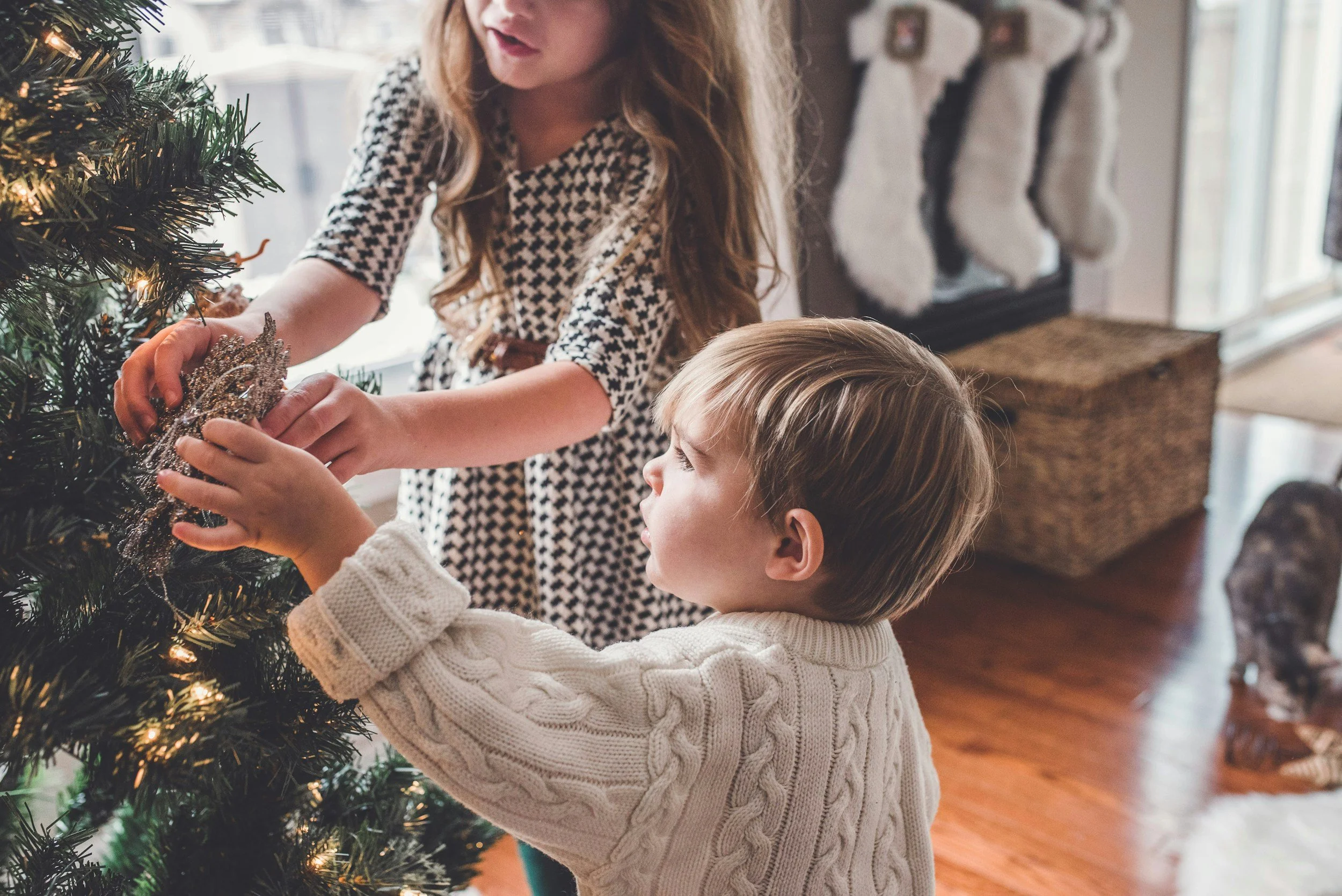
Why Sibling Conflict Increases During the Holidays
Understanding why conflict increases can help parents respond with more empathy and less reactivity. During the holiday season, children often experience:
Disrupted routines: Bedtimes, meals, and schedules may shift, which can leave children feeling dysregulated.
Overstimulation: Holiday lights, events, noise, and social gatherings can overwhelm young nervous systems.
Increased proximity: Siblings spending more time together can lead to friction, especially when personal space is limited.
Big emotions: Excitement, disappointment, jealousy, or anxiety can all surface during the holidays.
Competition: Gifts, attention, and comparisons can intensify sibling rivalry.
When children lack the skills to manage these emotions effectively, conflict often becomes the outlet.
Why a Calm Parent Response Matters
When siblings are fighting, it’s easy for parents to feel pulled into the chaos. However, children often borrow regulation from the adults around them. A calm parent response sends an important message: big feelings can be handled safely.
Responding calmly doesn’t mean ignoring conflict or allowing hurtful behavior. Instead, it means addressing the situation without yelling, shaming, or immediately assigning blame. This helps de-escalate the moment and models emotional regulation for your children.
Steps Parents Can Take to Respond Calmly
1. Pause Before Reacting
When conflict erupts, take a brief moment to breathe. A regulated parent is better equipped to support dysregulated children. Even a few deep breaths can help reset your nervous system.
2. Separate Before Solving
If emotions are running high, step in to create physical or emotional space. Calmly say something like, “I see this is getting heated. Let’s take a break and cool down.” Problem-solving works best after everyone is calmer.
3. Name the Feelings You See
Children often struggle to articulate emotions. Naming feelings helps them feel understood and builds emotional awareness. For example:
“It looks like you’re feeling frustrated.”
“You seem really disappointed right now.”
Avoid taking sides or labeling one child as “the problem.”
4. Set Clear, Consistent Boundaries
Calmly state expectations for behavior: “It’s okay to feel angry, but it’s not okay to hurt or yell at each other.” Consistent boundaries help children feel safe and know what’s expected.
5. Encourage Problem-Solving
Once everyone is calm, guide children to find solutions together. Ask open-ended questions like:
“What do you think would help right now?”
“How can we solve this so everyone feels okay?”
This builds cooperation and responsibility rather than dependence on parental intervention.

Preventing Conflict Before It Starts
While conflict is inevitable, proactive steps can reduce its frequency and intensity during the holidays.
Maintain predictable routines when possible, especially around sleep and meals.
Prepare children ahead of time for changes in plans or expectations.
Schedule downtime to balance busy holiday activities.
Give individual attention to each child, even in small moments.
Set clear expectations about sharing, personal space, and respectful communication.
Prevention doesn’t mean perfection—it simply creates a more supportive environment for success.
When Conflict Is a Sign of Something More
Occasional sibling conflict is normal, but frequent, intense, or aggressive fighting may signal deeper emotional needs. Stress, anxiety, sensory overwhelm, or unmet needs can all contribute to ongoing struggles.
If sibling conflict feels unmanageable or begins to impact family relationships, seeking support from a child or family therapist can be helpful. Therapy can provide children with tools for emotional regulation and help parents develop strategies tailored to their family’s needs.
A Gentle Reminder for Parents
The holidays can be demanding, and responding calmly all the time is not realistic. When you lose your patience, offer yourself grace. Repair matters more than perfection. Apologizing and reconnecting with your children teaches them that mistakes are part of being human—and that relationships can heal.
Sibling conflict during the holidays doesn’t mean you’re failing as a parent. With empathy, boundaries, and calm guidance, these moments can become opportunities for growth, connection, and learning that last far beyond the season.
Other Services We Offer in Katy & Surrounding Areas
At AP Counseling Group, we offer a variety of services to support individuals and families. Our child counseling and play therapy provides a safe space for kids to process emotions and build healthy coping skills. We also offer teen counseling to help adolescents navigate challenges and strengthen their relationships, and adult counseling tailored to help adults manage life pressures. Whatever stage you're in, we’re here to support you with guidance rooted in faith and practical tools.