

How to Manage Parenting Anxiety During the Unstructured Days of Summer
Instead of feeling relaxed, you may find yourself lying awake wondering if you're doing enough. Should the kids be spending less time on screens? Are they bored? Should you have planned more activities? Why does it seem like every other family has figured out how to make summer look effortless? If your mind feels like it's constantly running through a mental checklist, you're not alone. For many parents in Katy, TX, the unstructured days of summer can actually amplify anxiety, leaving them feeling emotionally drained long before the new school year begins.
Without school bells, homework, and extracurricular schedules, the days can begin to blur together. Children ask what's next every few minutes, routines disappear, and parents often become the planner, entertainer, chauffeur, referee, and snack provider all at once.
If this sounds familiar, take heart. There are real psychological reasons summer can feel overwhelming—and there are practical ways to make it feel more manageable.
Why Unstructured Summer Days Can Increase Parenting Anxiety
Our brains naturally prefer predictability.
Research has consistently shown that routines reduce mental load because they decrease the number of decisions we have to make throughout the day. During the school year, many choices are already made for us. Wake-up times, school schedules, meals, sports, and bedtime all create built-in structure.
Summer changes that.
Suddenly parents are asking themselves:
Should we stay home or go somewhere?
How much screen time is okay today?
Are my kids bored?
Should we be doing more?
Am I making this summer memorable enough?
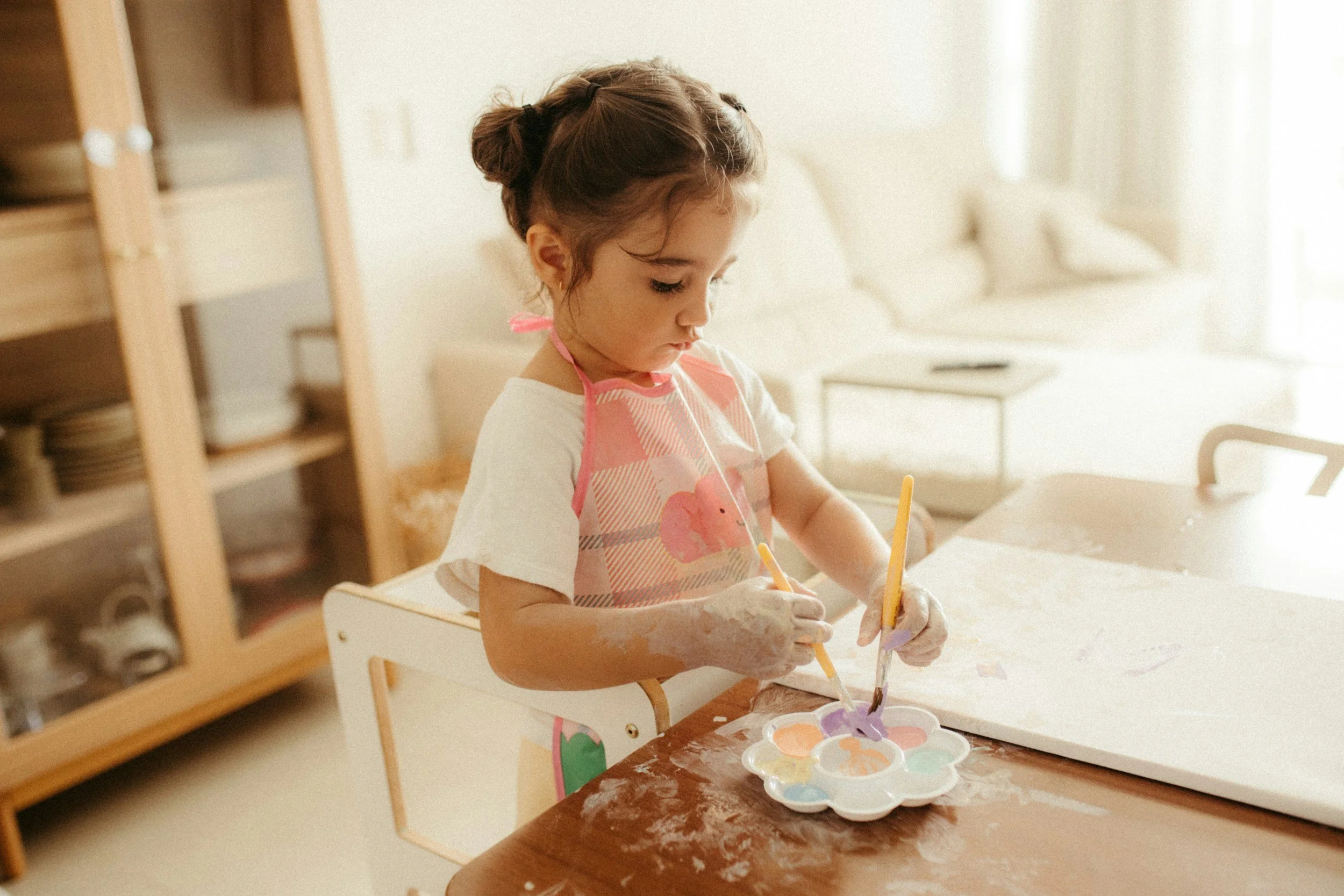
One decision by itself isn't overwhelming. Making dozens of them every day for weeks can be.
Children also tend to seek more guidance when routines disappear. They may become more emotional, argue with siblings more frequently, or constantly ask for your attention—not because something is wrong, but because they're adjusting to less structure.
When parents are already carrying a full mental load, these added demands can easily fuel anxiety.
The good news? Your family doesn't need a perfectly planned summer. They simply need enough consistency to feel secure.
Creating Flexible Routines That Reduce Stress for the Whole Family
Structure doesn't have to mean scheduling every hour. In fact, many therapists encourage families to think in terms of rhythms rather than rigid schedules. Instead of planning every activity, create predictable anchors throughout the day.
For example:
☀️ Morning Anchor
Wake up
Eat breakfast
Get dressed
Spend time outside or move your body
📚 Midday Anchor
Quiet reading
Creative activity
Lunch together
🌙 Evening Anchor
Family dinner
Device-free conversation
Bedtime routine

Children thrive when they know what generally comes next, even if every day looks a little different. Parents benefit too.
Having a loose framework reduces decision fatigue and helps eliminate the pressure to constantly invent new entertainment.
Remember: Your goal isn't to create a Pinterest-worthy summer. Your goal is to create a predictable environment where everyone—including you—can breathe a little easier.
Recognizing When Your Anxiety Is Affecting Your Parenting
Parenting anxiety isn't always obvious.
It doesn't always look like panic attacks or constant worrying.
Sometimes it shows up as:
Feeling irritated over small things.
Snapping at your children more quickly than usual.
Feeling guilty that you're not doing enough.
Constantly comparing your family's summer to everyone else's.
Struggling to relax, even during downtime.
Feeling mentally exhausted before lunchtime.
These are often signs that your nervous system is working overtime.
When we're anxious, our brains become more focused on identifying potential problems than appreciating what's going well. This survival response can make ordinary parenting challenges feel much larger than they actually are.
One helpful exercise is to pause and ask yourself:
"Am I responding to what's happening right now, or to the pressure I'm putting on myself?"
That simple question often creates enough space to respond more calmly.
Children don't need perfect parents. They benefit most from caregivers who can recognize their own stress, regulate their emotions, and repair moments when things don't go as planned. A parent that models resilience far better than perfection ever could.
Practical Coping Strategies for Finding More Peace This Summer
If this season has felt heavier than expected, start small. Tiny changes often create the biggest long-term impact.
Try incorporating a few of these therapist-approved habits:
✔ Lower the expectation—not the connection.
Your child is much more likely to remember laughing together than completing an elaborate bucket list.
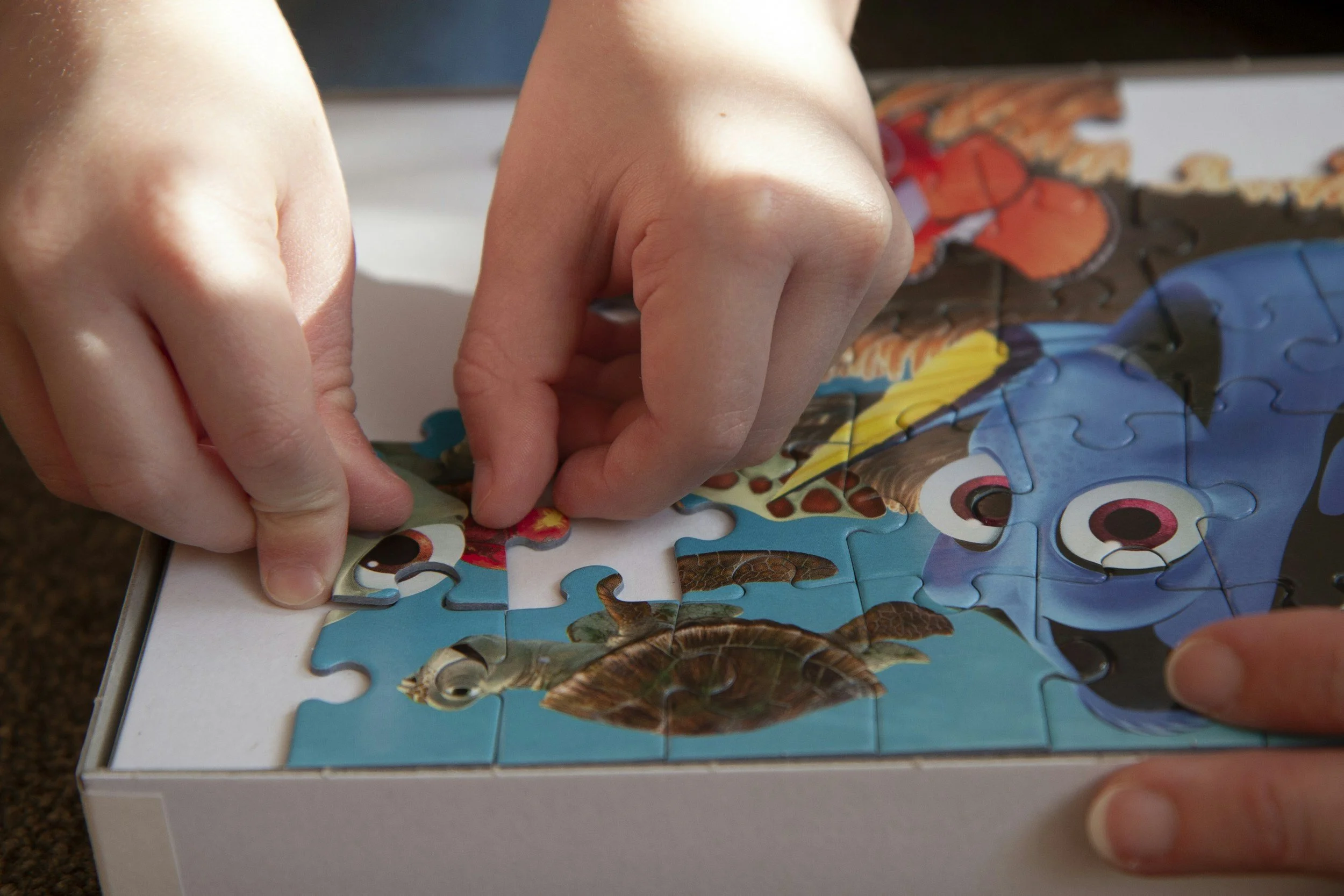
✔ Schedule quiet time for everyone.
Independent play, reading, puzzles, or rest benefit both children and parents.
✔ Limit comparison.
Social media often showcases highlight reels, not real family life.
✔ Build in moments that refill your own cup.
Whether it's coffee on the porch before everyone wakes up, a walk around the neighborhood, prayer, journaling,
or talking with a trusted friend, caring for yourself isn't selfish—it's protective.
✔ Give yourself permission to say no.
Not every invitation, outing, or activity has to fit into one summer.
Finally, remember that persistent anxiety doesn't have to be something you simply push through.
If worry is affecting your sleep, relationships, patience, or daily functioning, speaking with a counselor can provide practical tools and lasting support. Many parents in Katy, TX find that counseling gives them a place to process the invisible mental load they carry while learning healthier ways to respond to stress.
Summer doesn't have to be perfect to be meaningful.
The most memorable moments are rarely the ones that were carefully planned. More often, they're the ordinary afternoons spent laughing together, slowing down, and simply being present.
This summer, give yourself permission to pursue peace instead of stressing over perceived perfection.
Next Steps:
If you or a family member would like to discuss this topic further, have questions, or would like to start counseling this summer, please reach out to us at AP Counseling group here in Katy, Texas!
At AP Counseling Group, we offer a variety of services to support individuals and families. Our child counseling and play therapy provides a safe space for kids to process emotions and build healthy coping skills. We also offer teen counseling to help adolescents navigate challenges and strengthen their relationships, and adult counseling tailored to help adults manage life pressures. Whatever stage you're in, we’re here to support you with guidance rooted in faith and practical tools.